People matter more than ever, but measuring their value is tricky for the CFO. Companies that figure out how to measure and manage their human capital effectively will have a competitive advantage. People analytics uses data to understand how employees work, what they’re capable of, and how valuable they are.
People analytics, also called HR analytics or talent analytics, is the use of data to obtain useful insights and enable fact-based decision-making about an organisation’s human resources. A powerful tool with the potential to transform financial planning and research. CFOs can ditch gut feelings and make smarter workforce plans by tracking key HR data like skills, headcount, budget, and company culture.
This guide gives CFOs the power to use employee data to boost the bottom line. Discover key HR metrics that help you budget wisely, forecast future needs, and put your people in the right places. Smart tools help CFOs get the most out of their people, which means more money for the company.
Why people analytics matters for CFOs
Financial decisions can’t just be about the bottom line anymore. We need to consider the wider impact on people and the planet.
While these are crucial, they paint an incomplete picture of a company’s true potential. The missing piece? People.
Challenging the traditional perspective
Think your team is just another expense to cut? Think again about your bottom line. Sure, keeping costs down is important, but what about the untapped value your employees hold? Engaged, skilled individuals drive innovation, solve problems, and ultimately fuel organisational success. Ignoring their impact paints a misleading financial picture and limits your ability to optimise.
Quantifying the value of people
The numbers speak for themselves:
Gallup reports that disengaged employees cost organisations $350 billion annually in the US alone.
Aon Hewitt found that a 10% increase in employee engagement can lead to a 3% increase in revenue.
Bersin by Deloitte estimates that improving talent retention by just 5% can boost profits by 25%.
These are just a glimpse into the measurable impact of human capital. Track employee engagement, skills, and performance. See how your people power your profits.
Aligning HR and Finance
People analytics isn’t about replacing intuition with numbers. Collaborating with your HR professionals team to translate people-related data into financially relevant insights.
HR can help you build dream teams by finding the perfect skills with data-driven talent hunting. Or, analysing attrition data to identify costly turnover trends and inform retention strategies. This synergy between HR and finance unlocks the true potential of people analytics, transforming your decision-making process.
Key metrics & insights for CFOs
People analytics are the secret weapon of smart CFOs. They turn data into real-world actions that boost the HR team and the finances. Here are some key metrics and insights to unlock the true potential of your workforce:
1. Employee cost research
People analytics sheds light on where every dollar spent on your workforce goes. You can analyse:
Talent acquisition: Track cost per hire, time to hire, and effectiveness of different sourcing channels to minimise recruitment costs.
Salaries & benefits: Identify potential pay imbalances, analyse the impact of benefits packages on retention, and explore cost-saving alternatives.
Training & development: Measure the ROI of training programs, identify skills gaps, and design targeted training to optimise training spend.
Deep dive into employee data – uncover savings, maximise your people investment.
2. Human capital ROI
Beyond cost optimisation, people analytics helps quantify the financial impact of your talent investments. Metrics like:
Return on Human Capital (ROHC): Tracks how much value employees bring compared to what they cost.
Cost per hire: Helps assess the financial impact of acquiring new talent and optimise recruitment efficiency.
Track these metrics to prove your team’s worth and invest in talent that boosts your bottom line.
3. Predictive analytics
People analytics isn’t just about understanding the present; it’s about predicting the future. By analysing historical data and trends, you can:
Predict future talent needs: Anticipate skill gaps and proactively upskill or recruit talent before shortages arise.
Forecast employee turnover: Identify employees at risk of leaving and implement retention strategies to minimise costly turnover.
Model the impact of HR initiatives: Predict the financial implications of proposed HR programs before implementation.
These predictive capabilities empower you to proactively manage your workforce, mitigating risks and making strategic financial decisions with greater confidence.
4. Engagement & performance
Employee engagement and performance are directly linked to financial outcomes. People analytics allows you to track:
Employee engagement: Regular surveys and feedback help you understand your employees’ engagement, which affects how productive they are and how well they serve customers.
Employee satisfaction: Listen to your team, fix what’s wrong, and watch them thrive.
Productivity metrics: Analyse individual and team performance data to identify areas for improvement and optimise workflows for greater efficiency.
Focus on these numbers, and your team will thrive. Engaged employees mean more money coming in, less going out, and getting things done faster.
Tools & resources for implementation
So, you’re convinced of the power of people analytics. Now comes the critical question: how do you put it into action? Here are some key tools and resources to help you navigate this journey:
Performance management software
Can be a valuable tool for CFOs in people analytics by providing several key benefits:
Data collection and integration:
Centralised data archive:Performance management software acts as a central hub for storing and managing employee data, including performance reviews, goals, feedback, and skills assessments. This eliminates the need for manual data entry and ensures consistency across different departments, streamlining data collection for people analytics initiatives.
Standardised metrics and reporting: This software helps CFOs track key financial stuff, like how happy, productive, and likely employees are to stick around.
Enhanced audit and gain insights:
Advanced analytics: Forget clunky spreadsheets! With new platforms, CFOs can dive deep into data, spot trends, and uncover hidden gems. This allows for a more comprehensive understanding of the workforce analytics and its impact on financial performance.
Predictive analytics: Some people’s analytics software uses technology to spot trouble before it starts, like predicting who might quit or how new HR programs affect money. This predictive power helps CFOs make informed decisions by expecting future challenges and opportunities.
Improved collaboration and decision-making:
Shared visibility and transparency: Performance data, shared and clear, helps HR and finance work together for better employee success. This transparency fosters trust and alignment between departments and ensures everyone is working towards common goals.
Cost optimisation: By analysing performance data, CFOs can identify areas where employee performance might be impacting costs, such as low productivity or high absence. This allows for targeted interventions and cost-saving initiatives.
Talent management: This software spots your rockstars and future leaders, so you can invest in the right people and hit your financial goals.
Data collection & audit platforms
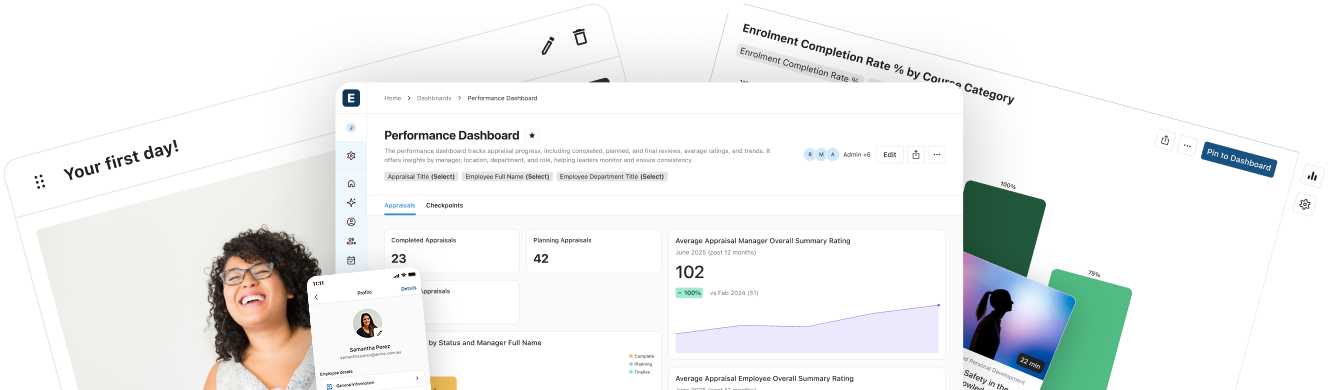
Gone are the days of struggling with spreadsheets. User-friendly platforms offer intuitive dashboards and powerful analytics tools designed specifically for people analytics. These platforms allow you to:
Consolidate data: Seamlessly integrate data from HR systems, payroll, performance reviews, and other sources into a single platform.
Analyse and illustrate data: Explore trends, identify patterns, and create insightful reports and illustrations with drag-and-drop functionality.
Predict future outcomes: Use machine learning to predict who might leave and how HR changes will affect your budget.
Collaboration frameworks
Effective people analytics requires collaboration between finance and HR. Here are some strategies to break down silos and foster data-sharing:
Establish a joint task force: Create a team representing both departments to champion people analytics initiatives and drive collaboration.
Define clear roles and responsibilities: Ensure each team understands its role in data collection, insights, and decision-making.
Develop data governance guidelines: Establish clear guidelines on data access, security, and usage to build trust and transparency.
Invest in communication and training: Bridge the gap between finance and HR. Train both teams to communicate openly and analyse their people data effectively.
Change management best practices
Implementing people analytics requires cultural shifts. Here are tips to overcome challenges and create a data-driven culture:
Start small and scale up: Build excitement by starting with a small project that proves the value of people analytics.
Focus on business outcomes: Translate data analysis into actionable recommendations that address real business problems.
Communicate wins and successes: Get people excited about using data to build a stronger team.
Address concerns and fears: Open about data privacy and security. Don’t leave employees wondering about their jobs with automation looming.
Boost your team’s potential with the right tools, collaboration, and a change-ready mindset. Unlocking valuable actionable insights from your people data. Remember, the journey to becoming a data-driven organisation starts with a single step. Take that step today and watch your financial performance soar with the power of people analytics!
Key takeaways
The potential of people analytics to transform financial planning is clear. See how your team impacts profits, then make better decisions about people and money.
We’ve explored sample metrics that offer unparalleled intelligence into productivity, capabilities, capacity, costs, and other drivers of performance and ROI. Data-savvy CFOs can make smarter hiring choices and squeeze more out of their budget.
CFOs can unlock hidden value in their people with smart data. The future of finance is data-driven and also about using the right tools. Take charge and guide your team towards smarter decisions and better results.
 By industry
 By role
 By use case
 Customer Success
 Implementation
 Training & Development
 Partner Program
 Partner Finder
 Flare Employee Benefits


 Platform
 Hire
 Schedule
 Pay
 Develop
 Plan